Gambling addiction, marked by uncontrollable urges and negative impacts on relationships, finances, and mental health, requires recognizing signs like chasing losses and preoccupation. Responsible gambling involves open dialogues, setting limits, and encouraging breaks at home. Professional help, including CBT therapists and support groups, is crucial for recovery. Growing awareness promotes responsible gambling practices to foster healthier relationships with gaming activities.
Gambling addiction, often hidden behind glitz and glamour, is a pervasive issue affecting individuals worldwide. In this article, we unravel the complexities of this insidious problem, focusing on three key aspects: understanding the signs and effects, promoting responsible gambling practices at home, and seeking help for those struggling with addiction. By embracing responsible gambling, we can create a healthier environment while supporting those in need.
- Understanding Gambling Addiction: Signs and Effects
- Promoting Responsible Gambling Practices at Home
- Seeking Help and Support for Gambling Addiction
Understanding Gambling Addiction: Signs and Effects
Gambling addiction, also known as problem gambling, is a complex issue that goes beyond casual wagering. It’s characterized by an uncontrollable urge to gamble despite negative consequences, impacting various aspects of an individual’s life. Recognizing the signs is crucial for promoting responsible gambling and seeking support. Individuals struggling with addiction may exhibit persistent chasing of losses, lies about gambling activities, loss of control over time spent or money wagered, and a preoccupation with thoughts of gambling.
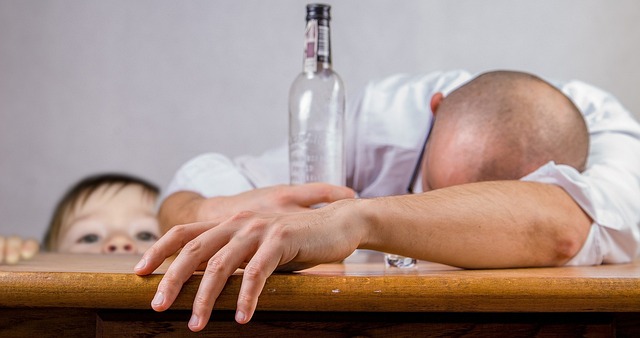
The effects are far-reaching, affecting both personal and professional relationships, financial stability, and mental health. Those affected might experience anxiety, depression, or even suicidal ideation. In the realm of responsible gambling, understanding these signs encourages individuals to take a step back, assess their habits, and make informed choices to maintain a healthy relationship with gaming activities.
Promoting Responsible Gambling Practices at Home

Promoting responsible gambling practices at home starts with open conversations about the potential risks and rewards of playing games of chance. Educating family members about responsible gaming, setting clear limits on spending and time spent gambling, and encouraging regular breaks can help maintain a healthy balance.
Creating a culture that prioritizes financial stability over instant gratification is key to responsible gambling. This includes monitoring gambling habits, establishing household rules, and seeking support from community resources if needed. Remember, responsible gambling means understanding and respecting the entertainment aspect while ensuring it doesn’t negatively impact daily life or relationships.
Seeking Help and Support for Gambling Addiction

Gambling addiction, like any other complex issue, requires professional help and support for effective recovery. The first step is often acknowledging the problem, which can be challenging due to the secretive nature of gambling behaviors. Many individuals struggling with this addiction feel isolated, but there is a growing awareness and acceptance of responsible gambling practices.
Seeking assistance from specialized organizations or therapists who offer cognitive-behavioral therapy (CBT) is a common approach. Support groups for gamblers in recovery also play a vital role, providing a safe space to share experiences and learn from others facing similar challenges. These interventions promote healthier coping mechanisms, financial management skills, and strategies to avoid triggers, ultimately fostering a more balanced relationship with gambling activities.
Gambling addiction is a complex issue that requires understanding, support, and proactive measures. By recognizing the signs and effects, promoting responsible gambling practices at home, and encouraging those struggling to seek help, we can create a healthier relationship with gaming. Embracing responsible gambling is key to mitigating risks and ensuring a more balanced approach to this popular pastime. Remember, seeking assistance is a sign of strength, and there are resources available to support those on their path to recovery.